Non-Surgical Treatment of Neck & Back Pain

A simple guide to understanding relief without surgery
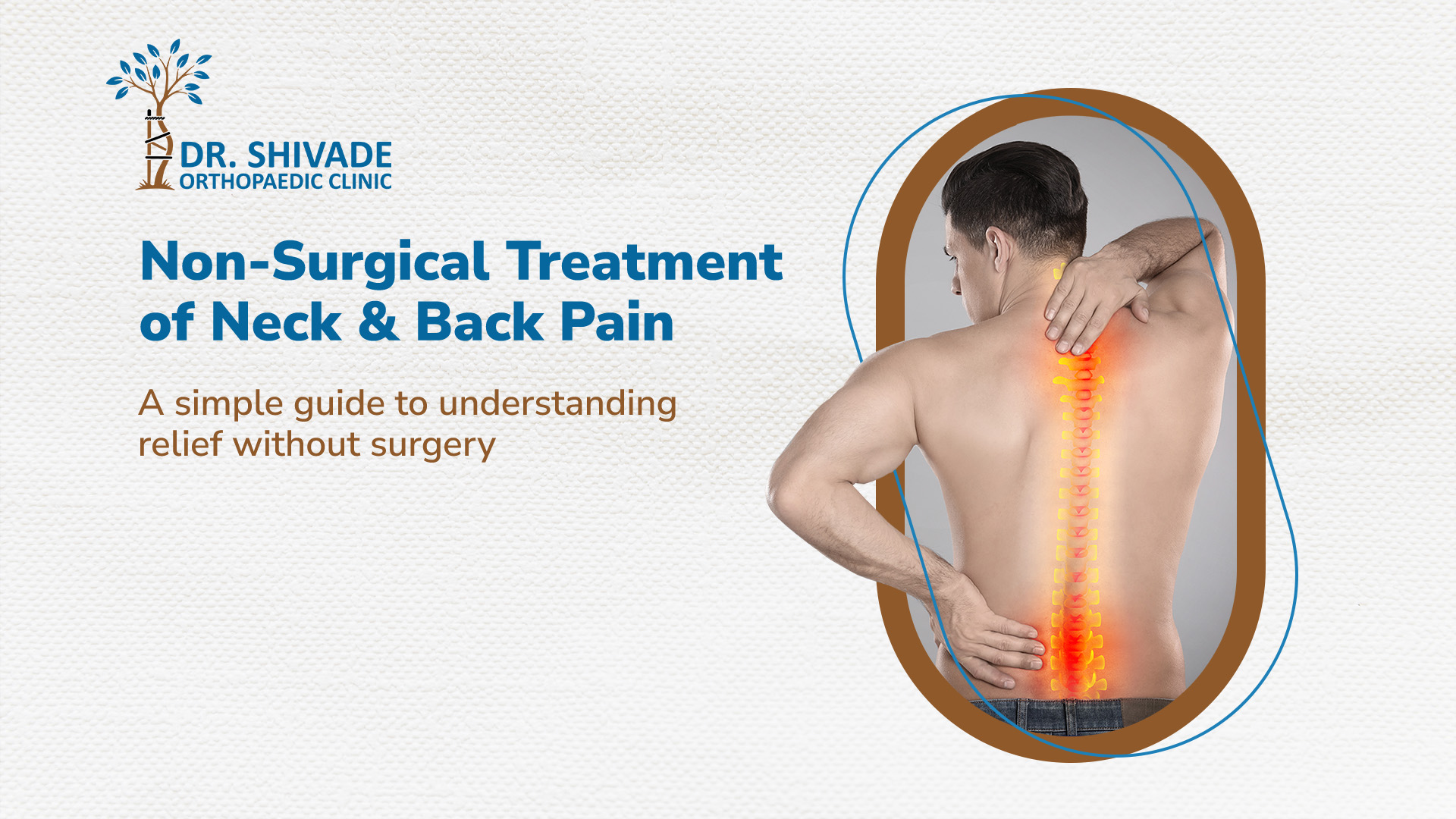
Neck and back pain have become very common today. Long hours of sitting, mobile usage, poor posture, stress, and lack of exercise are some of the main reasons people suffer from pain. The good news is that not every pain needs surgery. In fact, many people recover with non-surgical treatments that are safe, effective, and natural.
This blog will help you understand simple ways to manage neck and back pain without surgery, in language that’s easy to understand.
Why Does Neck & Back Pain Happen?
Before treating the pain, it is important to know the cause. Common reasons include:
- Sitting for long hours without proper support
- Working on a laptop or mobile for too long
- Poor sleeping posture
- Muscle strain or injury
- Stress and tension
- Lack of physical activity
Sometimes, the pain is not from bones but from tight muscles, weak posture, or stress.
What Does “Non-Surgical Treatment” Mean?
Non-surgical treatment means reducing pain and improving movement without an operation. These methods focus on healing the body naturally, strengthening muscles, and correcting daily habits.
These treatments are usually the first choice because they are safer, affordable, and have fewer risks.
Simple & Effective Non-Surgical Treatments
1) Physiotherapy
Physiotherapy is one of the most trusted treatments for neck and back pain. It helps by:
- Reducing pain
- Improving movement
- Strengthening weak muscles
- Correcting posture
A physiotherapist guides you with exercises and stretches that suit your condition.
2) Posture Correction
Many people don’t realize that their daily sitting style is causing pain. Simple changes can make a big difference:
- Sit straight with back support
- Keep your screen at eye level
- Avoid bending your neck while using the phone
- Take small breaks every 30–40 minutes Good posture reduces pressure on the spine.
3) Exercise & Stretching
Gentle exercises help relax tight muscles and improve flexibility.
Benefits include:
- Better blood circulation
- Reduced stiffness
- Stronger back and neck muscles
- Less chance of future pain Even 15–20 minutes daily can help a lot.
4) Hot & Cold Therapy
This is one of the easiest home remedies.
- Hot packs help relax muscles and reduce stiffness
- Cold packs reduce swelling and sudden pain You can use them at home for quick relief.
5) Pain Management Techniques
Doctors may suggest:
- Mild pain relief medicines
- Muscle relaxation therapy
- Support belts for short-term use
These methods help manage pain while the body heals naturally.
6) Lifestyle Changes
Small daily habits can prevent long-term pain. Try to:
- Maintain a healthy weight
- Stay active
- Sleep on a comfortable mattress
- Manage stress Your spine needs movement and care to stay healthy.
Something Different to Think About: Pain Is a Signal, Not Just a Problem
Instead of only treating pain, try to understand what your body is telling you.
Pain often means:
- You are overworking one part of your body
- Your muscles are weak
- Your posture needs correction
- You need rest
Listening to your body early can prevent bigger problems later.
When Should You See a Doctor?
You should consult a doctor if:
- Pain lasts more than a few weeks
- Pain spreads to arms or legs
- There is numbness or weakness
- Pain is severe and sudden Early treatment helps avoid complications.
Final Thoughts
Surgery is not the only solution for neck and back pain. In most cases, simple treatments like physiotherapy, exercise, posture correction, and lifestyle changes can provide long-lasting relief. The key is to start early, stay active, and take care of your spine every day. Your body heals better when you support it naturally.