TFCC Tear: Symptoms, Causes and Treatment Options

TFCC Tear: Symptoms, Causes and Treatment Options
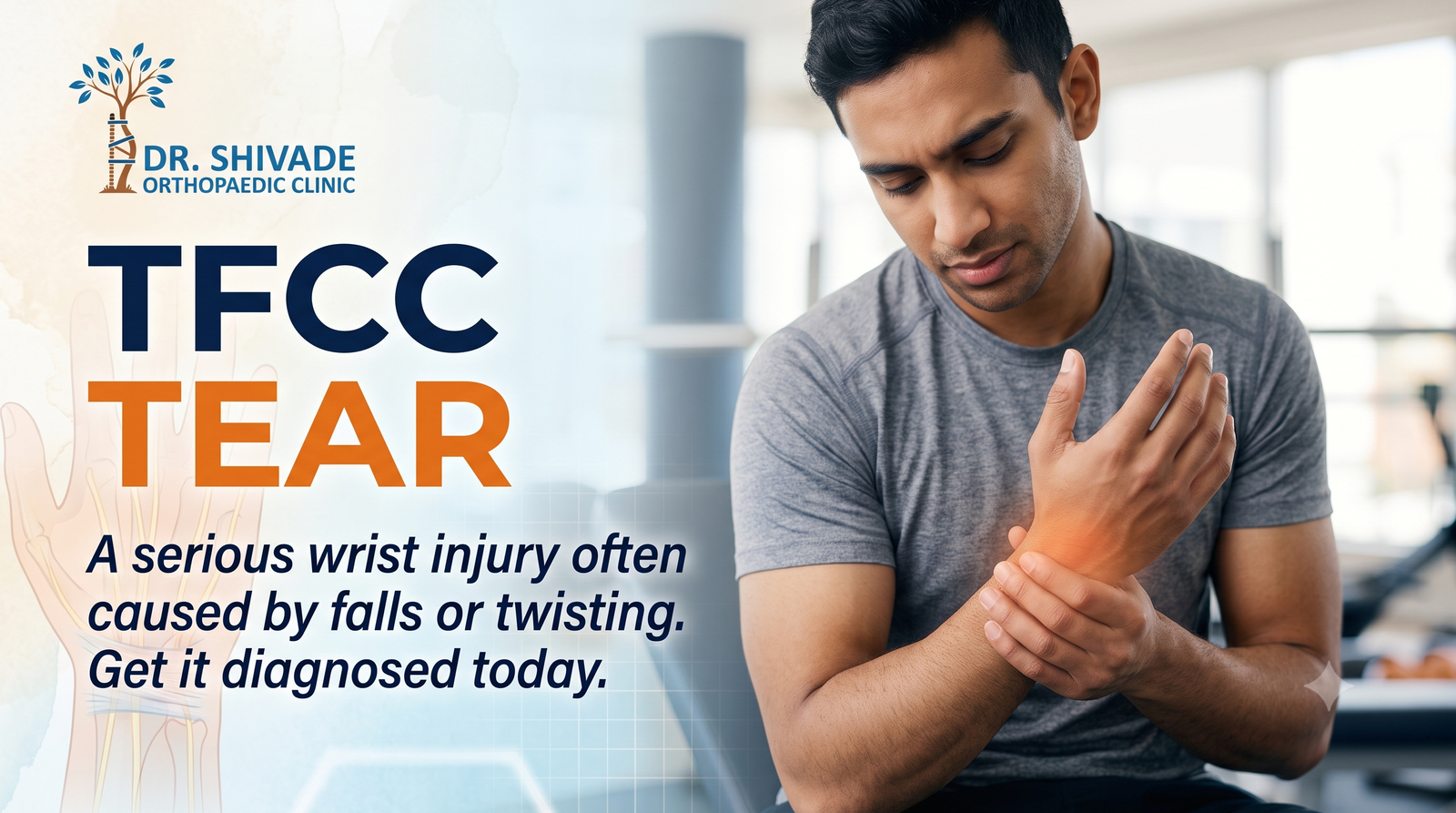
Wrist pain on the little-finger side that won’t go away? It could be a TFCC injury.
Pain on the outer side of the wrist is easy to ignore. You may blame a gym session, a fall or long hours at the keyboard. When it persists, especially with twisting movements, one possible cause is a TFCC tear. This guide explains what the TFCC is, what a tear feels like, how it is diagnosed and what treatment options exist.
What Is the TFCC?
The triangular fibrocartilage complex (TFCC) is a group of cartilage and ligaments on the little-finger side of the wrist, between the ulna (forearm bone) and the small wrist bones. It:
- Cushions the wrist during gripping and impact
- Stabilises the joint between the two forearm bones
- Allows smooth rotation and bending of the wrist
What Causes a TFCC Tear?
Traumatic tears can happen after:
- A fall on an outstretched hand
- A forceful twist or pull on the wrist
- A forearm fracture near the wrist
Degenerative tears develop gradually due to:
- Repetitive wrist loading in sports like cricket, badminton, tennis, golf, gymnastics and weight training
- Age-related wear of the cartilage
- A longer ulna relative to the radius (ulnar positive variance)
TFCC Tear Symptoms
- Pain on the little-finger side of the wrist
- Pain when turning the forearm, such as opening a jar or turning a key
- Clicking or clunking in the wrist
- Swelling or tenderness
- Reduced grip strength
- A feeling that the wrist is unstable or “giving way”
These symptoms can also occur with other wrist conditions, so a proper clinical assessment is essential.
How Is a TFCC Tear Diagnosed?
- Clinical examination: your doctor checks for tenderness and performs specific wrist tests.
- X-ray: rules out fractures and checks bone alignment.
- MRI (sometimes with contrast): shows the cartilage and ligaments.
- Wrist arthroscopy: a keyhole examination that can confirm the diagnosis and, if needed, allow treatment in the same procedure.
TFCC Tear Treatment Options
Treatment depends on the type and location of the tear, your symptoms, activity level and how long you have had the problem.
Non-surgical care (often tried first for many tears):
- Rest and activity modification
- Wrist splint or brace
- Pain and inflammation medicines as advised by your doctor
- Physiotherapy for strength, flexibility and wrist control
- Injection therapy in selected cases
Surgical options (considered when symptoms persist or the wrist is unstable):
- Arthroscopic debridement: smoothing damaged cartilage
- Arthroscopic or open repair: stitching the torn tissue
- Ulnar shortening procedures: for selected cases with ulnar positive variance
Recovery time and outcomes vary from person to person. Your surgeon can explain what is suitable in your case.
Tips to Protect Your Wrists
- Warm up before sports and gym sessions
- Build forearm and grip strength gradually
- Use correct technique and wrist support during heavy lifts
- Take regular breaks from repetitive wrist tasks
- Do not ignore wrist pain lasting more than a couple of weeks
When Should You See an Orthopaedic Doctor?
Seek an evaluation if you have:
- Wrist pain lasting more than 1 to 2 weeks
- Pain after a fall or twisting injury
- Persistent clicking, swelling or weakness
- Difficulty with daily tasks like turning a door handle or lifting objects
Conclusion
A TFCC tear is a common but often overlooked cause of wrist pain on the little-finger side. It can follow a sudden injury or build up slowly through repeated strain. Early evaluation helps identify the cause, and many people are managed with rest, bracing and physiotherapy, while surgery is considered only for selected cases.
If you have wrist pain, clicking or weakness that does not settle, do not wait for it to get worse. A proper examination and the right investigations can help guide the next step in your care. Always follow the advice of your treating doctor, as every wrist and every injury is different.
Frequently Asked Questions (FAQs)
Some tears, especially in areas with better blood supply, may settle with rest, bracing and physiotherapy. Others may need surgery. A specialist can tell which applies to you.
It depends on the tear and the treatment. Recovery is usually measured in weeks to months, and your doctor will guide you on timelines.
No. A sprain affects ligaments, while a TFCC tear involves the cartilage-ligament complex on the ulnar side. Both can occur together.
It is seen in sports involving repeated wrist loading or twisting, but it can affect anyone.