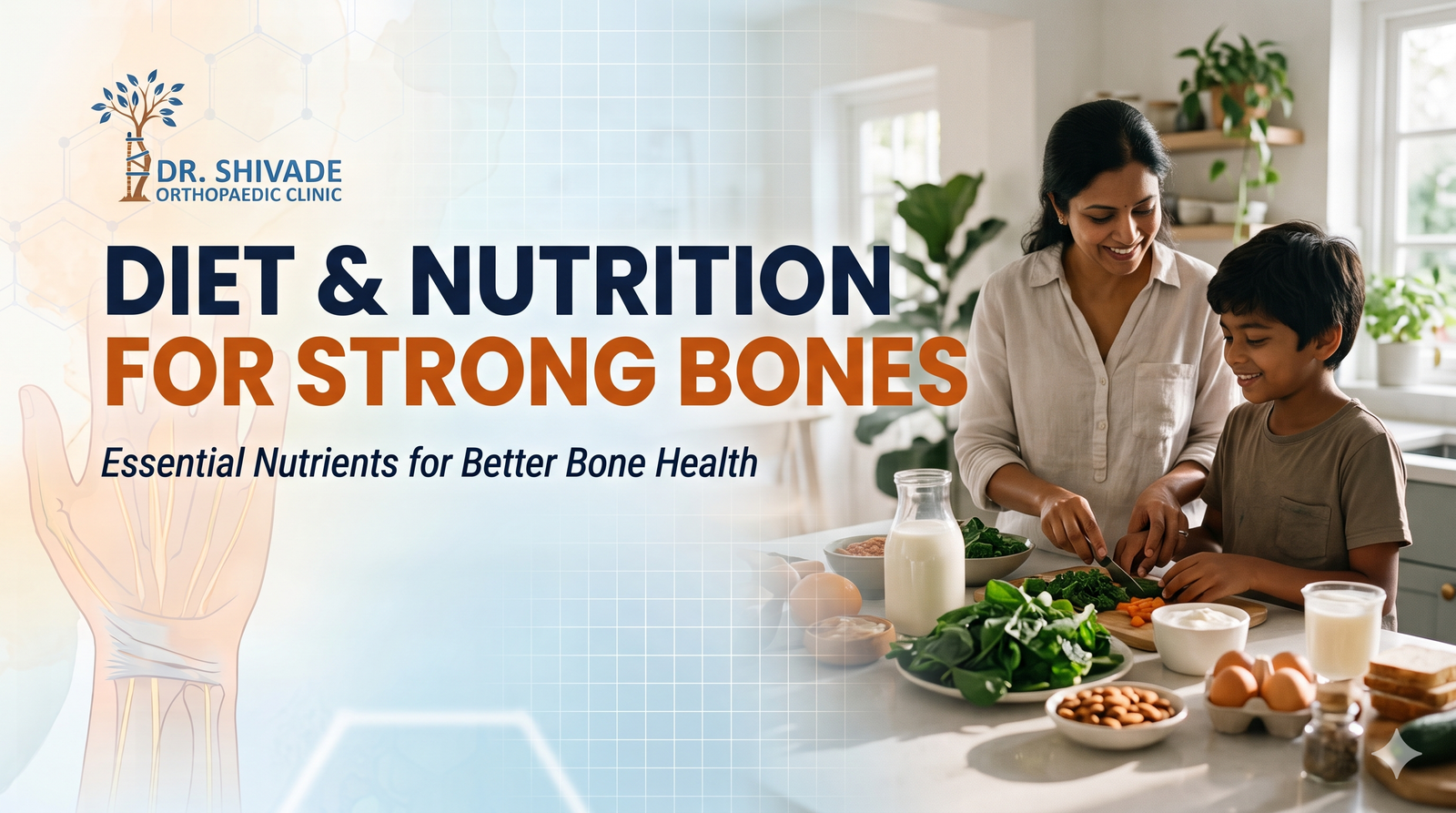
Diet and Nutrition for Strong Bones: Essential Nutrients for Better Bone Health

Diet and Nutrition for Strong Bones: Building a Stronger Foundation for Your Body
Bones are not just a support structure for the body; they are living tissues that continuously undergo repair and renewal. Maintaining strong bones requires more than just physical activity — proper nutrition plays an important role in supporting bone strength and overall musculoskeletal health.
A balanced diet containing essential nutrients like calcium, vitamin D, protein, magnesium, and other minerals helps maintain healthy bone structure and supports the body’s natural bone remodeling process.
Why Is Bone Nutrition Important?
Throughout life, bones constantly change. Old bone tissue breaks down and new bone tissue is formed. When the body does not receive adequate nutrients, bone strength and density may be affected over time.
Poor bone health can increase the risk of conditions such as osteoporosis, where bones become weaker and more prone to fractures. nhs.uk
Good nutrition, regular exercise, and healthy lifestyle habits together contribute to maintaining stronger bones.
Essential Nutrients for Strong Bones
1. Calcium: The Building Block of Bones
Calcium is one of the most important minerals required for maintaining bone strength. The body stores a large amount of calcium in bones, helping provide structure and stability.
Calcium-rich food sources include:
- Milk and dairy products
- Curd and paneer
- Ragi (finger millet)
- Sesame seeds (til)
- Green leafy vegetables
- Soy products
- Nuts and seeds
For many people, getting calcium through a balanced diet is preferred. Supplements should be considered only when recommended by a healthcare professional.
2. Vitamin D: Helping the Body Absorb Calcium
Vitamin D plays an important role in calcium absorption and helps maintain healthy bones and muscles. Without adequate vitamin D, the body may not effectively use the calcium obtained from food.
Sources of Vitamin D:
- Safe sunlight exposure
- Fatty fish (for those who consume it)
- Egg yolk
- Fortified foods
If vitamin D deficiency is suspected, medical guidance and appropriate testing may be advised.
3. Protein: Supporting Bone Structure
Protein is an essential component of bone tissue. Adequate protein intake helps support muscle strength, which is also important for balance and reducing the risk of falls.
Good protein sources:
- Pulses and lentils
- Sprouts
- Soy products
- Eggs
- Dairy products
- Fish or lean meat (if included in your diet)
4. Magnesium and Other Bone-Friendly Nutrients
Apart from calcium and vitamin D, other nutrients also contribute to maintaining healthy bones.
Include:
✔ Magnesium-rich foods:
- Almonds
- Pumpkin seeds
- Whole grains
✔ Vitamin K sources:
- Green leafy vegetables
- Broccoli
- Cabbage
A varied diet helps provide multiple nutrients required for overall bone health.
Indian Foods That Support Bone Health
Traditional Indian foods can provide many bone-supporting nutrients:
Breakfast Options:
- Ragi dosa or ragi porridge
- Milk or curd-based meals
- Sprouts
Lunch Options:
- Dal with vegetables
- Curd
- Green leafy vegetables
- Whole grains
Snacks:
- Nuts and seeds
- Roasted chana
- Fruit with yogurt
Dinner:
- Protein-rich meals with vegetables and balanced carbohydrates
Foods and Habits That May Affect Bone Health
To maintain better bone health:
- Avoid excessive consumption of processed foods
- Limit excess salt intake
- Avoid smoking
- Avoid excessive alcohol consumption
- Maintain a healthy body weight
Regular weight-bearing exercises along with a balanced diet can further support bone strength.
Can Diet Alone Prevent Fractures?
A nutritious diet helps provide the building blocks required for healthy bones. However, bone health depends on multiple factors including:
- Age
- Genetics
- Hormonal changes
- Physical activity
- Existing medical conditions
People with osteoporosis, repeated fractures, or persistent bone-related concerns may require evaluation by an orthopaedic specialist.
When Should You Consult an Orthopaedic Surgeon?
Consult an orthopaedic specialist if you experience:
- Frequent fractures after minor injuries
- Persistent bone or joint pain
- Reduced height or posture changes
- Difficulty performing daily activities due to bone problems
- Concerns about osteoporosis or bone weakness
Early assessment can help identify risk factors and guide appropriate management.
Conclusion
Strong bones require consistent care throughout life. A balanced diet rich in calcium, vitamin D, protein, and essential minerals, combined with regular physical activity, helps support bone health.
Nutrition is an important part of fracture prevention and recovery, but individual needs may vary depending on age, lifestyle, and medical conditions. Consult an orthopaedic specialist for personalised guidance regarding bone health.
Frequently Asked Questions (FAQs)
Foods rich in calcium, vitamin D, protein, and minerals such as milk, curd, ragi, nuts, seeds, pulses, and green vegetables support bone health.
Calcium is important, but healthy bones also require vitamin D, protein, physical activity, and other nutrients.
Yes. Vitamin D helps the body absorb calcium and supports healthy bones and muscles.
A balanced diet can support bone health, but people with bone disorders may require medical evaluation and specific treatment.
The daily requirement of calcium and vitamin D varies depending on age, gender, health status, and individual needs. A balanced diet, adequate sunlight exposure, and medical guidance when required can help maintain healthy levels. If there is a suspected deficiency or increased risk of bone weakness, an orthopaedic specialist may recommend appropriate evaluation.