Meniscus Tear: The Hidden Knee Injury Many People Ignore

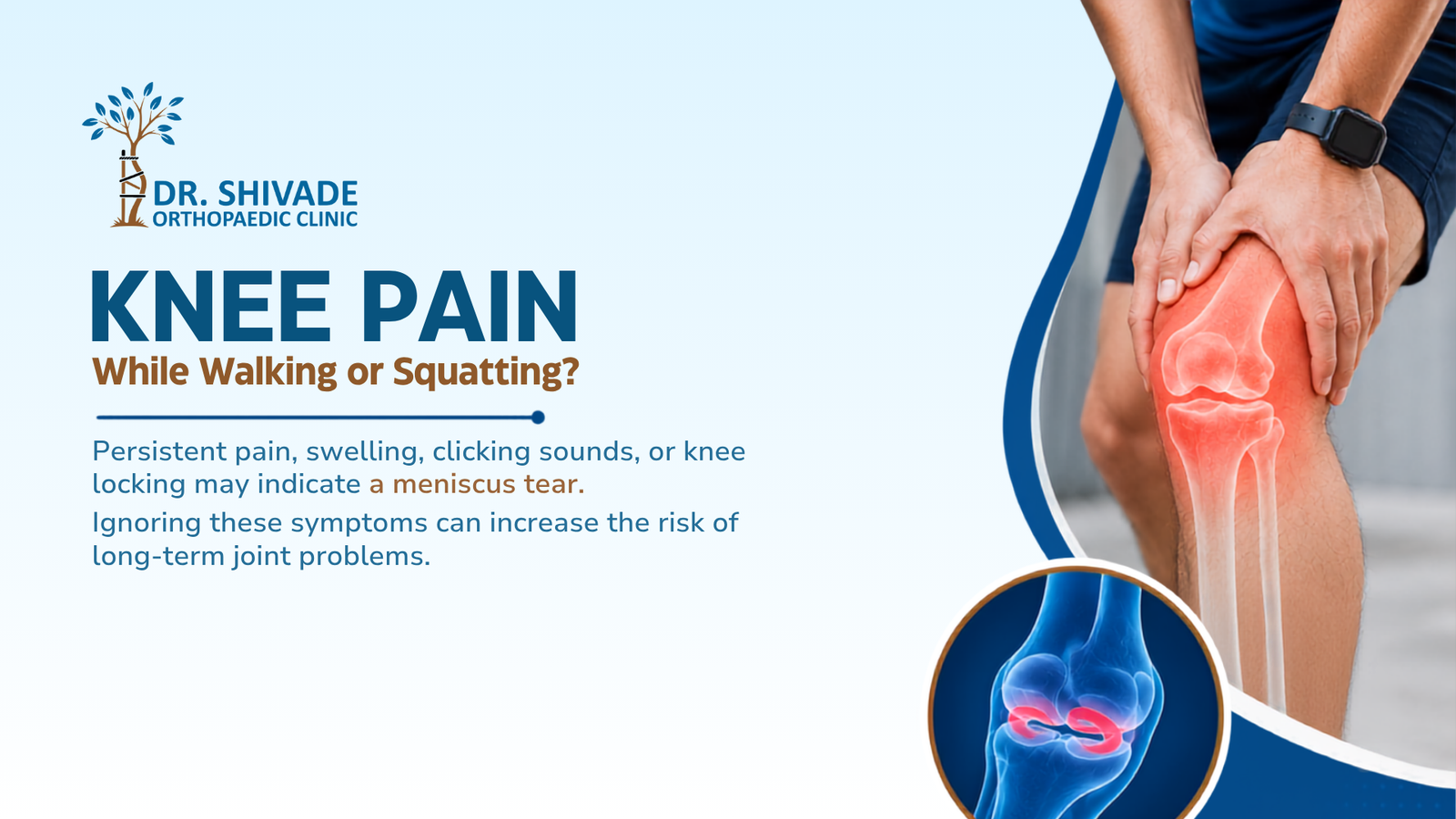
Knee pain is one of the most common orthopedic complaints, but not all knee pain is caused by muscle strain or arthritis. If your knee hurts while climbing stairs, squatting, running, or even standing up from a chair, it could be a meniscus tear—a common knee injury that often goes unnoticed in its early stages.
Many people ignore symptoms such as clicking sounds, swelling, or occasional knee locking, assuming they will improve with time. However, delaying treatment can increase the risk of cartilage damage and early arthritis.
The good news is that early diagnosis and appropriate treatment—whether non-surgical or arthroscopic surgery—can help you return to your normal routine safely and comfortably.
What Is a Meniscus?
The meniscus is a C-shaped piece of cartilage located inside your knee joint. Each knee contains two menisci:
- Medial Meniscus – Located on the inner side of the knee
- Lateral Meniscus – Located on the outer side of the knee
These cartilage cushions play an important role in protecting your knee joint by:
- Absorbing shock during walking and running
- Providing stability to the knee
- Reducing friction between bones
- Protecting joint cartilage
- Supporting smooth knee movement
When the meniscus tears, everyday movements can become painful and difficult.
What Causes a Meniscus Tear?
A meniscus tear can occur at any age and affects athletes as well as non-athletes.
1. Sports Injuries
The most common cause is a sudden twisting movement while the foot remains firmly planted on the ground.
This frequently happens during:
- Cricket
- Football
- Basketball
- Tennis
- Badminton
- Gym workouts
- Running
Athletes who frequently change direction or pivot quickly are at a higher risk.
2. Age-Related Degeneration
As we age, the meniscus naturally becomes weaker and less flexible.
Even simple activities such as:
- Getting up from a chair
- Climbing stairs
- Squatting
- Turning while walking
may cause the cartilage to tear.
3. Other Causes
Other possible causes include:
- Heavy lifting
- Sudden knee rotation
- Falls and accidents
- Repetitive stress on the knee
- Occupational activities involving frequent kneeling or squatting
Symptoms of a Meniscus Tear
Symptoms may appear immediately after the injury or gradually over several days.
Common warning signs include:
- Pain while walking
- Pain during squatting or kneeling
- Swelling around the knee
- Clicking or popping sounds
- Knee locking or getting stuck
- Difficulty fully straightening the leg
- Feeling that the knee may give way
- Pain while climbing stairs
- Reduced range of motion
Don’t ignore persistent knee pain. Early evaluation can prevent long-term damage.
When Should You See an Orthopedic Specialist?
Seek medical attention if:
- Knee pain lasts more than a few days
- Swelling keeps increasing
- The knee repeatedly locks
- You cannot fully bend or straighten your knee
- Walking becomes painful
- Your knee feels unstable
Early diagnosis often leads to simpler treatment and faster recovery.
How Is a Meniscus Tear Diagnosed?
An orthopedic specialist will diagnose a meniscus tear using a combination of clinical examination and imaging studies.
Physical Examination
Your doctor will check:
- Range of motion
- Tenderness over the joint line
- Knee stability
- Pain during twisting movements
- Walking pattern
Special clinical tests may also help identify the location of the tear.
Imaging Tests
X-Ray
Although an X-ray cannot show the meniscus, it helps rule out:
- Fractures
- Arthritis
- Bone abnormalities
MRI Scan
MRI is considered the gold standard for diagnosing a meniscus tear.
It provides detailed information about:
- Location of the tear
- Size of the tear
- Pattern of injury
- Associated ligament injuries
Can a Meniscus Tear Heal Without Surgery?
Yes.
Not every meniscus tear requires surgery. Small, stable tears can often heal successfully with conservative treatment.
Non-Surgical Treatment Options
Your orthopedic specialist may recommend:
- Rest
- Ice application
- Compression
- Elevation (RICE therapy)
- Anti-inflammatory medications
- Knee brace
- Physiotherapy
- Muscle strengthening exercises
- Activity modification
Many patients recover well without surgery, especially when treatment begins early.
When Is Surgery Required?
Surgery may be recommended if:
- Pain persists despite conservative treatment
- The knee repeatedly locks
- The tear is large or unstable
- Daily activities become difficult
- Sports performance is affected
- The torn cartilage interferes with knee movement
Ignoring these symptoms can lead to further cartilage damage and increase the risk of osteoarthritis.
Arthroscopic Meniscus Surgery: A Modern Treatment Option
Most meniscus tears that require surgery are treated using arthroscopic (keyhole) surgery, a minimally invasive procedure.
How Arthroscopic Surgery Is Performed
During the procedure:
- Small incisions are made around the knee.
- A tiny camera (arthroscope) is inserted.
- Specialized instruments repair or remove the damaged tissue.
- The surgeon monitors the entire procedure on a high-definition screen.
The surgery generally takes 30–60 minutes and causes minimal tissue damage.
Meniscus Repair vs Partial Meniscectomy
Treatment depends on the location, size, and type of tear.
Meniscus Repair
Whenever possible, surgeons aim to preserve the natural meniscus by repairing it.
Benefits
- Preserves natural knee cushioning
- Better long-term knee function
- Lower risk of arthritis
- Ideal for younger and active individuals
Although recovery takes longer, the long-term outcomes are excellent.
Partial Meniscectomy
If the tear cannot be repaired, only the damaged portion of the meniscus is removed while preserving healthy cartilage.
Benefits
- Faster recovery
- Quick pain relief
- Improved knee movement
- Suitable for complex or degenerative tears
Your orthopedic surgeon will recommend the most appropriate treatment after reviewing your MRI findings.
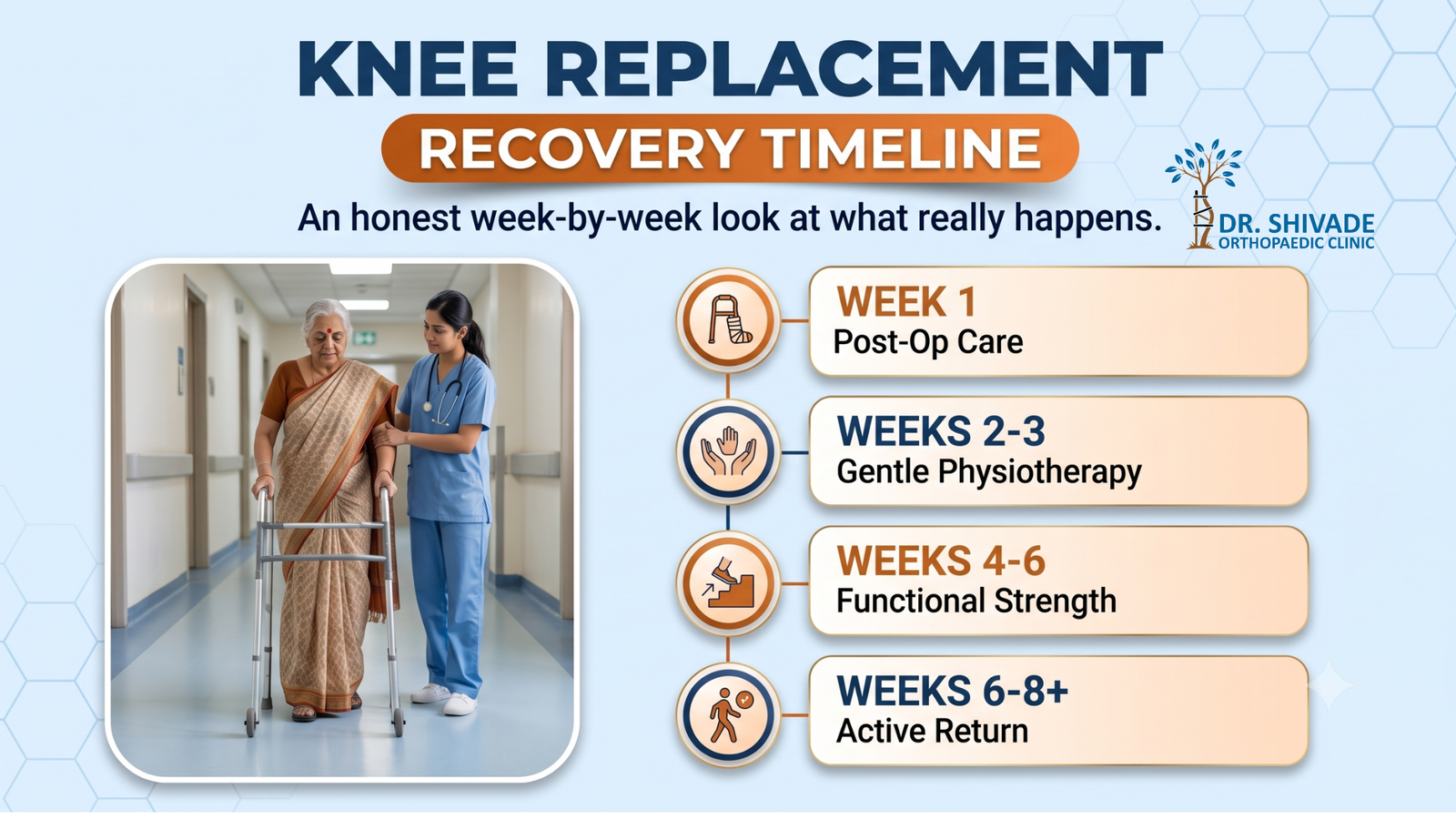
Recovery After Meniscus Surgery
Recovery depends on the type of surgery performed.
Most patients are able to:
- Walk with support soon after surgery
- Start physiotherapy early
- Regain knee movement gradually
- Return to office work within a few days
- Resume sports after completing rehabilitation
Following your physiotherapy program is essential for achieving the best results.
Tips to Prevent Meniscus Injuries
You can reduce your risk of knee injuries by following these simple habits:
- Warm up before exercise
- Strengthen your thigh and leg muscles
- Maintain a healthy body weight
- Wear proper sports shoes
- Avoid sudden twisting movements
- Increase workout intensity gradually
- Practice correct exercise techniques
- Do not ignore persistent knee pain
Frequently Asked Questions (FAQs)
1. Can I walk with a meniscus tear?
Yes. Many people can still walk, but continuing normal activities without treatment may worsen the injury.
2. Is every meniscus tear painful?
No. Some tears cause only mild discomfort initially and gradually become more painful over time.
3. Is arthroscopic surgery safe?
Yes. Arthroscopic knee surgery is a safe and commonly performed minimally invasive procedure that typically involves smaller incisions, less pain, and faster recovery than traditional open surgery.
4. Can a meniscus tear cause arthritis?
If left untreated, certain meniscus tears can damage the knee cartilage and increase the risk of developing early osteoarthritis.
5. How long does recovery take?
Recovery varies depending on the type of tear and treatment. Non-surgical cases may improve within a few weeks, while recovery after meniscus repair surgery may take several months with rehabilitation.
Conclusion
A meniscus tear is one of the most common yet often overlooked knee injuries. Persistent knee pain, swelling, clicking sounds, or knee locking should never be ignored, as delayed treatment can lead to long-term joint damage.
Fortunately, advances in orthopedic care mean that many meniscus tears can be treated effectively through conservative management or minimally invasive arthroscopic surgery. Seeking timely medical evaluation not only relieves pain but also helps preserve your knee function and prevents future complications.
If knee pain is limiting your daily activities, sports, or quality of life, consult an experienced orthopedic specialist for an accurate diagnosis and personalized treatment plan.
Take the First Step Towards Recovery Today
Frequently Asked Questions (FAQs)
Yes, small and stable meniscus tears located in the outer red zone (where blood supply is good) can often heal with rest, physical therapy, activity modification, and knee bracing.
Common symptoms include knee joint pain, swelling, clicking or popping sensations, knee catching or locking, and difficulty fully straightening or bending the leg.
An orthopedic specialist performs targeted physical examination tests (like McMurray test) and confirms the exact size, location, and pattern of the tear using an MRI scan.
Arthroscopic keyhole surgery is recommended if the knee joint repeatedly locks, conservative treatments fail after 6-8 weeks, or the tear is large and unstable.
Dr. Nishant Shivade is a leading Orthopedic Surgeon in Pune with extensive expertise in advanced arthroscopic keyhole knee surgery and joint preservation.