Knee Pain While Climbing Stairs? Here’s What Your Body Is Telling You

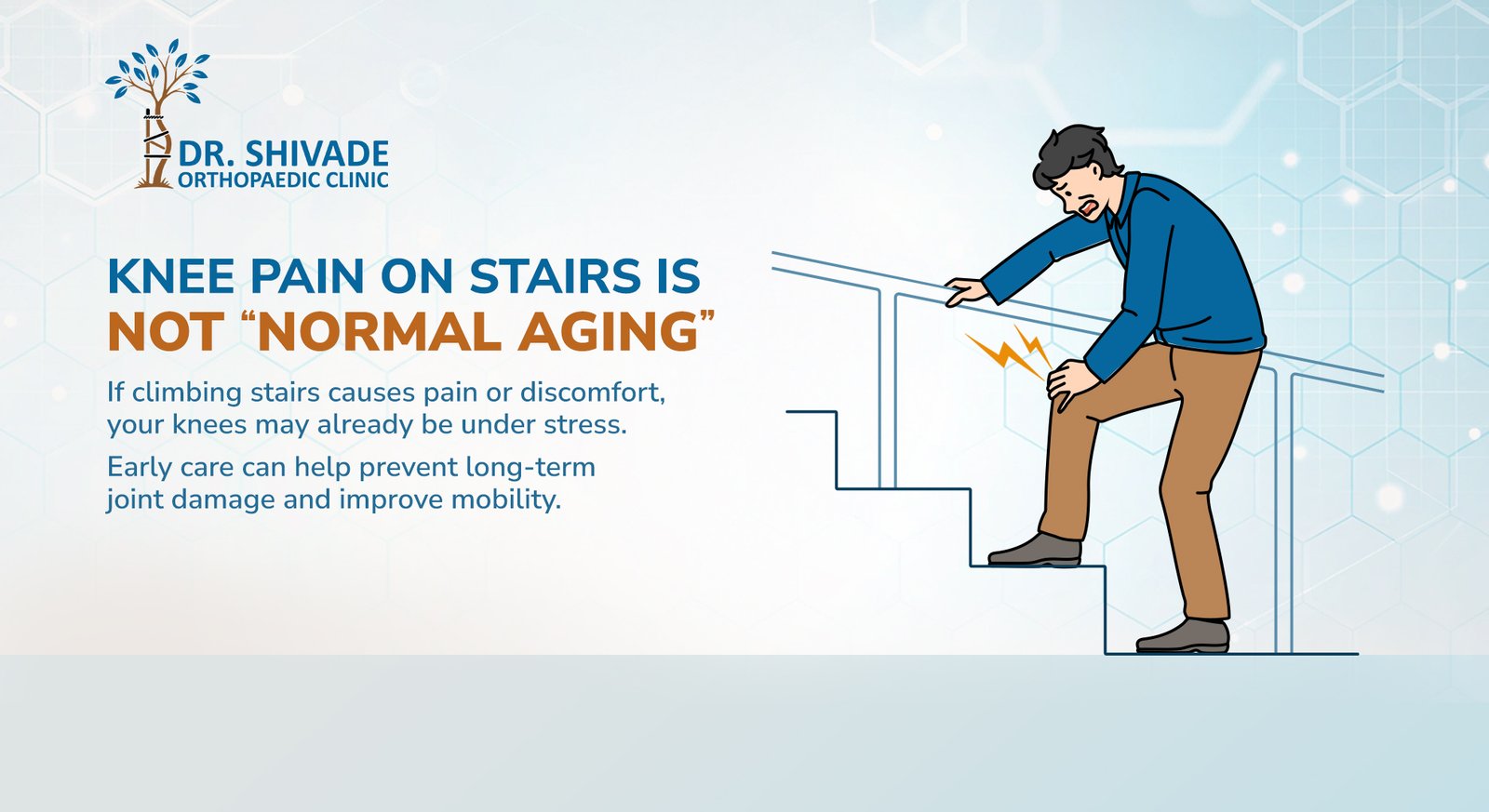
Have you ever felt a sharp pain, stiffness, or discomfort in your knees while climbing stairs?
You’re not alone. Knee pain during stair climbing is one of the most common complaints among people of all ages — from young adults to seniors.
Many people ignore it at first, thinking it’s just tiredness or temporary strain. But your body may actually be warning you about an underlying knee problem that needs attention.
In this blog, let’s understand why knee pain happens while climbing stairs, what your body is trying to tell you, and when you should seek medical help.
Why Does Knee Pain Increase While Climbing Stairs?
When you climb stairs, your knees carry much more pressure compared to normal walking. In fact, the knee joint experiences nearly 3 to 4 times your body weight while going upstairs.
If there is any weakness, inflammation, injury, or joint damage, stair climbing can quickly become painful.
The pain may feel like:
- Sharp pain in the front of the knee
- Clicking or cracking sounds
- Stiffness while bending
- Weakness in the legs
- Swelling around the knee
- Pain that worsens after activity
These symptoms should not be ignored.
Common Reasons for Knee Pain While Climbing Stairs
1. Patellofemoral Pain Syndrome (Runner’s Knee)
This is one of the most common causes of knee pain, especially in young adults and active people.
It happens when the kneecap does not move properly over the joint, causing irritation and pain.
Symptoms:
- Pain in the front of the knee
- Discomfort while climbing stairs
- Pain after sitting for long periods
- Grinding sensation in the knee
2. Arthritis
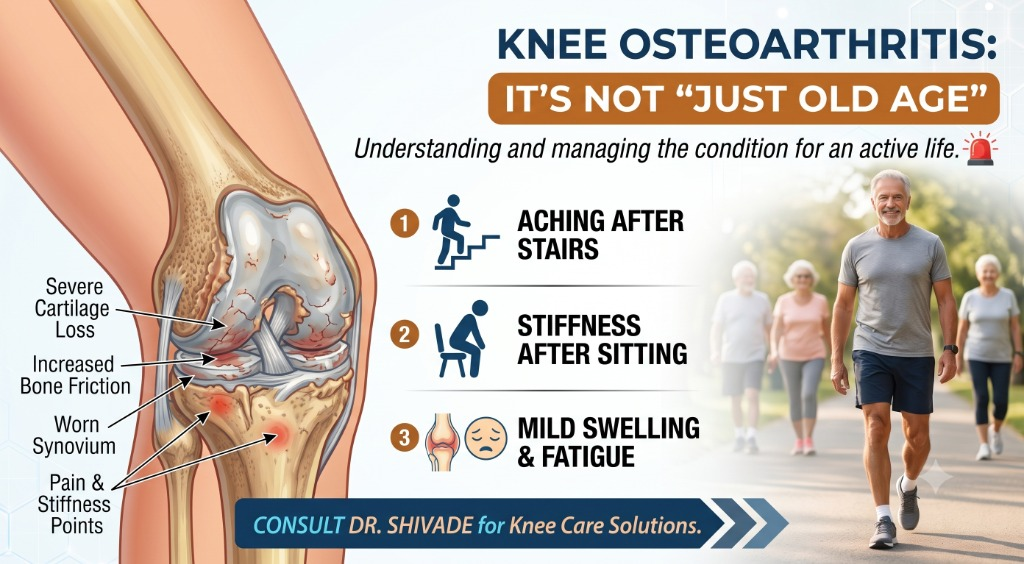
As we age, the cartilage inside the knee joint starts wearing down. This condition is called arthritis.
When cartilage becomes thin, bones rub against each other, causing pain and stiffness.
Signs of Arthritis:
- Morning stiffness
- Swelling in the knee
- Pain during movement
- Difficulty climbing stairs
- Cracking sounds from joints
Arthritis can affect daily activities if not treated early.
3. Weak Muscles Around the Knee
Your thigh and leg muscles help support the knee joint. Weak muscles can increase pressure on the knees while climbing stairs.
This is common in:
- People with sedentary lifestyles
- Older adults
- Individuals recovering from injury
Strengthening exercises can often help reduce pain.
4. Ligament or Meniscus Injury
Sports injuries, sudden twisting movements, or falls can damage the knee ligaments or cartilage (meniscus).
Symptoms may include:
- Sudden pain
- Swelling
- Knee instability
- Difficulty putting weight on the leg
- Locking or catching sensation
These injuries may require medical evaluation and treatment.
5. Excess Body Weight
Extra body weight puts additional stress on the knee joints, especially during stair climbing.
Over time, this can lead to:
- Joint wear and tear
- Increased inflammation
- Faster cartilage damage
Even small weight loss can reduce pressure on the knees significantly.
Warning Signs You Should Not Ignore
Knee pain may seem minor initially, but certain symptoms indicate that medical attention is important.
Consult a doctor if you experience:
- Persistent pain for several weeks
- Swelling or redness
- Difficulty walking
- Knee locking or giving way
- Severe pain while climbing stairs
- Pain affecting daily activities
Early diagnosis can prevent further joint damage.
How Is Knee Pain Diagnosed?
A doctor may examine:
- Your walking pattern
- Knee movement and flexibility
- Swelling or tenderness
Sometimes imaging tests like:
- X-rays
- MRI scans
- Joint assessments
may be recommended to identify the exact cause.
Treatment Options for Knee Pain
Treatment depends on the underlying cause of pain.
Common treatment approaches include:
✅ Rest and Activity Modification
Avoid activities that increase pain temporarily.
✅ Physiotherapy
Exercises can strengthen muscles and improve joint movement.
✅ Medications
Pain relief medicines or anti-inflammatory medications may help reduce discomfort.
✅ Weight Management
Reducing excess weight decreases stress on the knee joints.
✅ Knee Support or Braces
These can improve stability during movement.
✅ Advanced Treatments
In severe cases, doctors may recommend:
- Injections
- Arthroscopic procedures
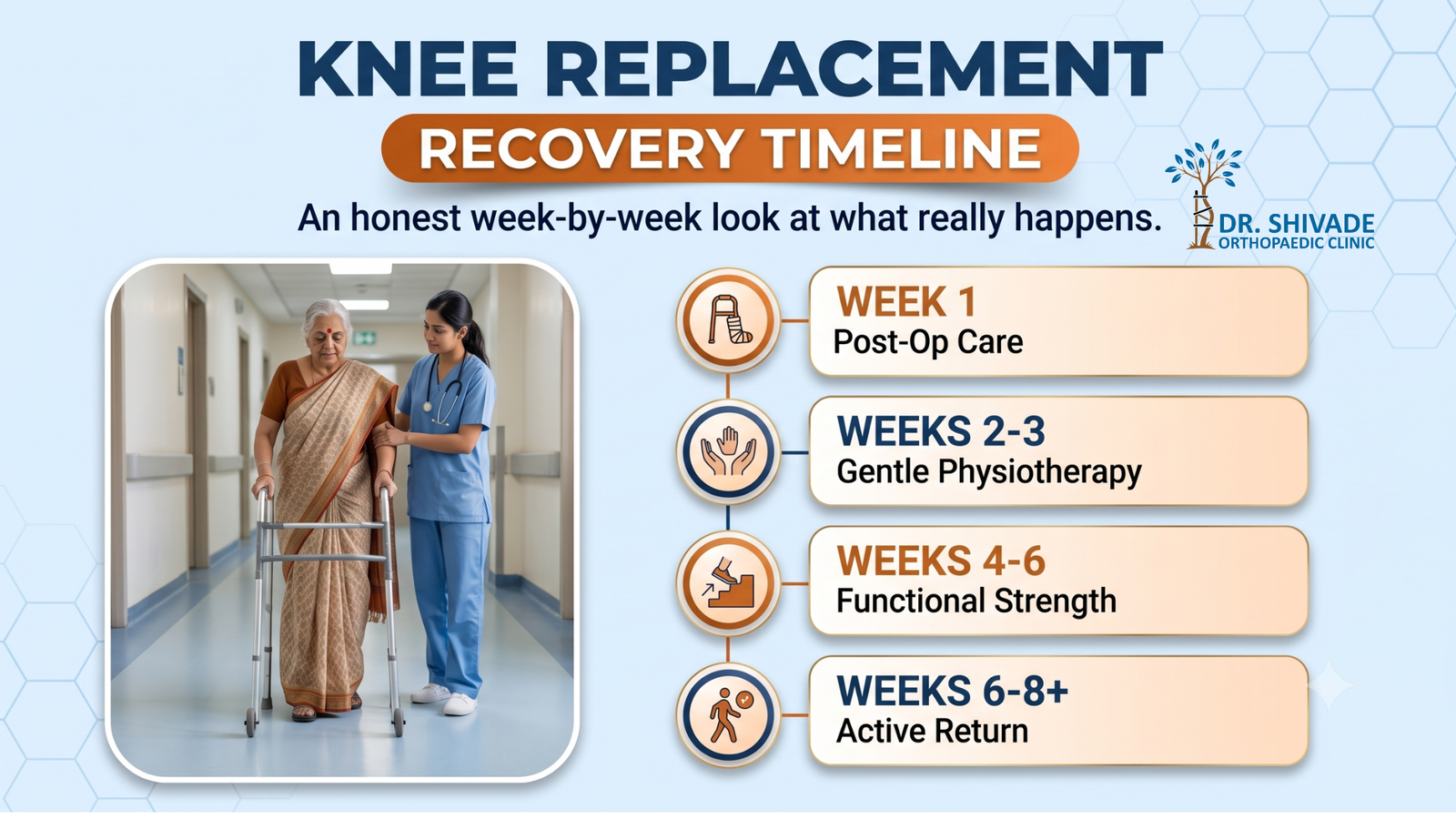
- Knee replacement surgery
Modern treatments can help patients return to normal activities with less pain.
Tips to Protect Your Knees
Here are simple ways to keep your knees healthy:
- Maintain a healthy weight
- Exercise regularly
- Strengthen leg muscles
- Wear supportive footwear
- Avoid sudden twisting movements
- Do not ignore persistent pain
- Warm up before workouts
Small lifestyle changes can make a big difference.
Final Thoughts
Knee pain while climbing stairs is not something you should continuously ignore. It may be your body’s way of signaling joint stress, muscle weakness, cartilage damage, or early arthritis.
The good news is that early treatment and proper care can help manage pain effectively and improve mobility.
If your knee pain is affecting your daily life, consulting an orthopedic specialist can help identify the cause and provide the right treatment before the condition worsens.