Heel Pain After Waking Up? It Could Be Plantar Fasciitis

A Complete Guide to Causes, Symptoms, Treatment & Prevention
Introduction
Do you feel a sharp pain in your heel when you take your first step in the morning?
💡 Heel pain in the morning is often the first warning sign your body gives—don’t ignore it.
This is a very common problem, yet many people ignore it. What seems like a small issue can actually be a condition called Plantar Fasciitis—one of the leading causes of heel pain.
💡 The good news is that with early care and the right treatment, it can be managed effectively.
What is Plantar Fasciitis?
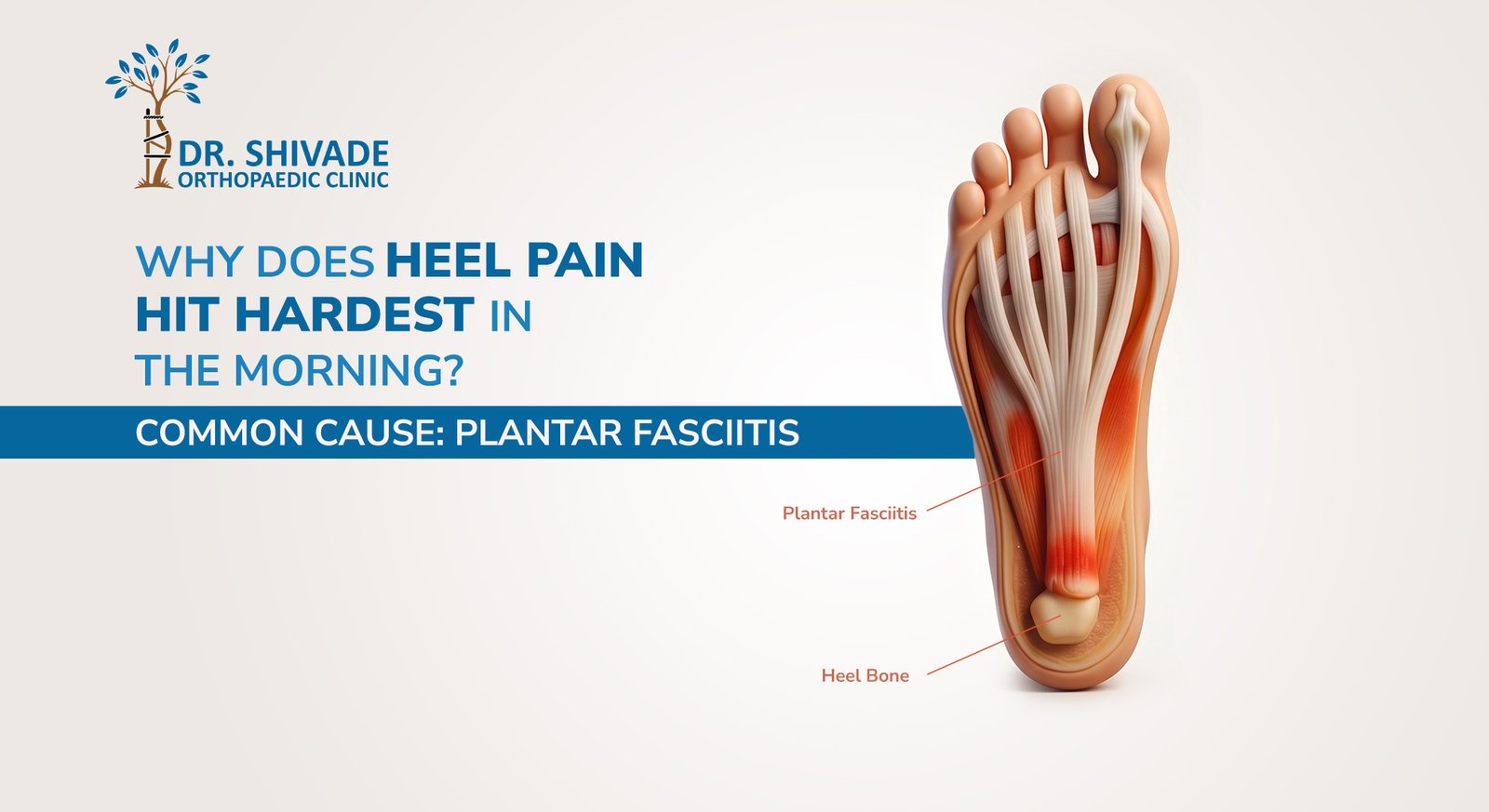
Plantar Fasciitis is a condition where the plantar fascia, a thick band of tissue under your foot, becomes irritated or inflamed.
This tissue connects your heel to your toes and helps support the arch of your foot.
📌 Think of plantar fascia as a shock absorber—when overstressed, it becomes painful.
Simple Explanation:
It works like a support band for your foot. When too much pressure is put on it, it becomes tight and painful.
Why Does the Pain Feel Worse in the Morning?
One of the most noticeable signs of plantar fasciitis is morning heel pain.
Here’s why it happens:
- While sleeping, your foot is relaxed
- The plantar fascia tightens slightly
- When you stand up suddenly, it stretches quickly
👉 This sudden stretch causes a sharp, stabbing pain in the heel.
⚡ First-step pain in the morning is the most classic symptom of plantar fasciitis.
🟨 The pain may reduce after walking but often returns later in the day.
Common Symptoms
You may be experiencing plantar fasciitis if you notice:
- Sharp pain in the heel (especially after waking up)
- Pain after sitting or resting for long periods
- Discomfort while standing or walking for long hours
- Tightness in the sole of the foot
- Pain that comes and goes but keeps returning
🩺 If your heel pain keeps coming back, it’s time to get it checked.
What Causes Plantar Fasciitis?
This condition is usually caused by repeated stress on the foot.
✔ Lifestyle Factors:
- Standing for long hours
- Walking or running excessively
- Sudden increase in physical activity
✔ Physical Factors:
- Flat feet or high arches
- Tight calf muscles
- Poor walking posture
✔ Other Causes:
- Wearing unsupportive footwear (like flat slippers)
- Excess body weight
- Age-related wear and tear
👟 Your footwear plays a huge role—unsupportive shoes can worsen the condition.
How is It Diagnosed?
Diagnosis is usually straightforward and includes:
- Understanding your symptoms
- Physical examination of the foot
- Checking pain points and flexibility
👉 In some cases, imaging tests like X-rays may be advised to rule out other conditions.
📍 Early diagnosis = faster recovery and less pain.
Treatment Options
Most people recover with simple and non-surgical treatments.
1. Rest & Activity Modification
Avoid activities that increase heel pain and give your foot time to heal.
2. Proper Footwear
Use shoes with good arch support and cushioning.
3. Stretching Exercises
Regular stretching of the foot and calf muscles helps reduce tension.
4. Physiotherapy
Improves strength, flexibility, and healing.
5. Medications
Pain relief medicines may be recommended if needed.
6. Advanced Treatments (Rare Cases)
- Injections
- Specialized therapies
- Surgery (only in severe cases)
💡 Early treatment can prevent complications and speed up recovery.
💊 Most cases improve without surgery if treated early.
Simple Exercises That Can Help
- Rolling your foot over a cold water bottle
- Stretching your calf muscles
- Gently pulling your toes towards you
👉 These exercises help reduce stiffness and improve flexibility.
🏃 Simple daily stretches can make a big difference in recovery.
What Happens If You Ignore It?
Ignoring plantar fasciitis can lead to:
- Long-term heel pain
- Difficulty in walking
- Changes in posture
- Pain in knees, hips, or back
⚠️ Treating it early is much easier than dealing with chronic pain.
⚠️ Ignoring heel pain today can lead to bigger problems tomorrow.
Prevention Tips
- Wear comfortable and supportive footwear
- Avoid walking barefoot on hard surfaces
- Maintain a healthy weight
- Stretch your feet regularly
- Take breaks if you stand for long hours
✅ Prevention is always easier than treatment—take care of your feet daily.
Final Thoughts
Plantar Fasciitis is a common condition—but it should never be ignored.
✔ Pay attention to early symptoms
✔ Make simple lifestyle changes
✔ Seek expert medical advice when needed
🩺 Early care = faster relief + better long-term foot health.
For proper diagnosis and personalized care, consult Dr. Shivade.